What are VPN files?
 gfv3355771
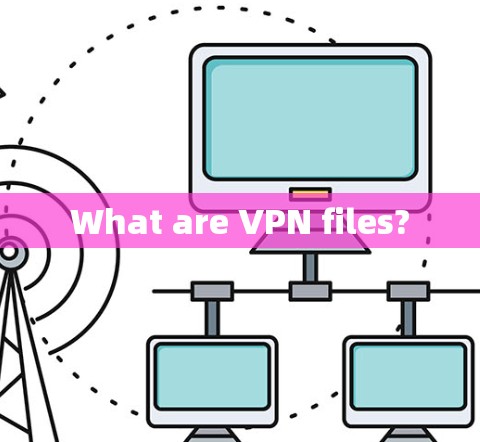
 VPN files, also known as Private Network Login (PNNL) files, are essential for maintaining a private and secure network login on the internet. They are typically used by users who want to access a private network (such as your home WiFi) without revealing their identity to the hosting server. VPN files are files stored on a hosting server that you access to change your online activity to a private network. These files are usually named PNNL or similar abbreviations. When you access the VPN file, your IP address and credentials are encrypted, ensuring that the server cannot determine your identity.
How to Create a VPN File
-
Connect to a hosting server:
- Type your IP address into a VPN server resolver.
- For example, on a free hosting service, you might connect to
http://192.168.1.1orhttps://192.168.1.1. - Some hosting services provide a free VPN server resolver.
-
Create a PNNL file:
- Open a text editor (e.g., Notepad, Notion, or any text editor you prefer).
- Create a new file and save it with the name
PNNL(or a similar abbreviation). - Open the PNNL file and enter the following credentials:
www.example.com(Replace
www.example.comwith your actual hosting server's domain.)
-
Save the file:
- Save the PNNL file with the
.pnnlextension. - Ensure the file is saved to the correct directory on the hosting server.
- Save the PNNL file with the
-
Use the PNNL file:
- To access the private network, open the PNNL file in your browser.
- Enter the IP address and credentials from the PNNL file to access your intended network.
Important Considerations
- Backup and Regular Backups: Regularly back up your VPN files to ensure they remain secure and accessible if the connection is lost.
- Use HTTPS: Always use HTTPS for all websites to ensure your data is encrypted and secure.
- Avoid Unencrypted Traffic: Do not use unencrypted traffic to access your private network. This can be done by not entering the password from the PNNL file or by not using HTTPS.
Example
If you connect to a hosting server at http://192.168.1.1 and create a PNNL file named pnnl, you can use it to access your private network by opening pnnl in your browser and entering the IP address and credentials from the file.
Hosting Options
- Free Hosting: Use free hosting services like free hosting.net, free hosting.com, or free hosting.org.
- Eval hosting: A free hosting service that offers a free VPN server resolver. Visit their website to learn more.
- Cloud Hosting: Use cloud hosting services like cloudflare.com or AZN Span for hosting your VPN files.
By following these steps, you can securely create and use VPN files to access your private network on the internet.
@版权声明
转载原创文章请注明转载自免费VPN加速器-2026年最佳梯子推荐:稳定翻墙机场节点,胜过传统VPN加速器,网站地址:https://vpn-mianfei.com.cn/